Lesson 117 · 3 min
Copyright and AI images
AI images are easy to make and harder to own, so check the tool's terms and avoid copying real artists, brands or characters.
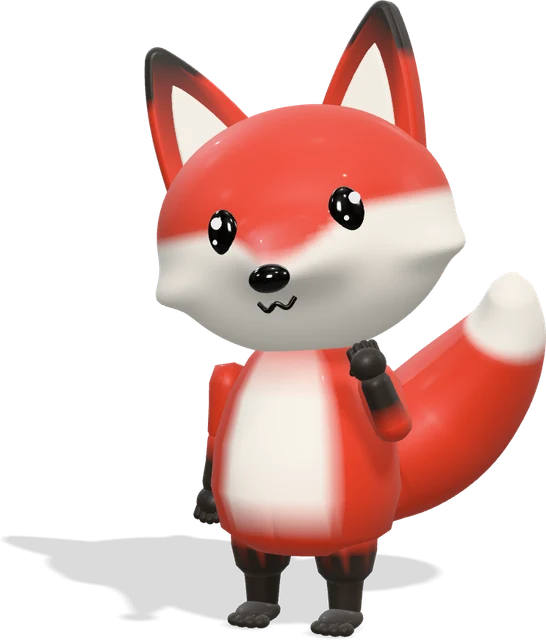
Image generators learned from huge collections of pictures, and courts in several countries are still deciding what that means for artists. The rules differ by country and are changing.
In some places, including the United States, an image made entirely by AI without real human creative input may not be protected by copyright at all. That means others might be free to reuse it too.
The bigger risk for most people is making something that looks like someone else's work: a famous cartoon character, a brand logo, or a piece "in the style of" a living artist that is sold as your own.
For business use, read the image tool's terms, keep a note of how you made each image, and add your own edits. For anything important, like a logo or a book cover, ask a lawyer or use a designer.
Do it now
Review one AI image you use
- 1. Pick an AI image on your shop page, slides or social posts.
- 2. Check whether it shows any real brand, character or recognisable person.
- 3. Open the tool's terms and find the section on commercial use.
Quick check
Keep going
Next →Can you tell if it was made by AI?Words from this lesson
- Image generation
- Creating pictures from a written description, using AI trained on very large collections of images and captions.
- Diffusion model
- A type of AI that makes images or video by starting from random noise and cleaning it up step by step.
- Training data
- The examples, such as text, images or recordings, that a model learns its patterns from.